

Listening to Whales
A Day in the Life of Bioacoustic Research 🐋

How scientists capture the hidden soundscape of the ocean — and why it matters
Published: January 2026
Author: Fabrizio Ferrari / Spotted Fabri
With technical review and generous corrections by Paul Camerin — thank you for keeping it accurate.
In collaboration with:
Globice · QWIO · Megamar · University of La Laguna Ocean Culture Life · KirstyinMotion ·
Category: Marine Conservation • Bioacoustics • Ocean Science
The Ocean Is Never Silent
From the surface, the ocean can look calm. Quiet, even.
Below the waves, it’s anything but.
The sea is alive with sound — clicks, whistles, pulses, songs. This biological soundscape exists alongside geophonic sounds such as rain, thunder, earthquakes, or ice calving, and anthropogenic noise produced by human activity, including vessels, seismic airguns, and pile driving.
For whales and dolphins, sound isn’t background noise. It’s how they perceive their surroundings — how they connect, mate, hunt, travel, and survive.
Humans experience the world mainly through sight. Marine mammals experience it acoustically. Their perception of reality — their Umwelt — is built around sound.
To understand them, scientists have learned to listen.
That science is called bioacoustics.
What Is Bioacoustics?
.jpeg)
Bioacoustics is the study of sound produced by living organisms.
In the ocean, it allows scientists to answer questions we can’t solve by sight alone:
- Who is here?
- How are they behaving?
- Where do they travel?
- How are human activities affecting them?
By listening beneath the surface, researchers uncover patterns of life hidden in darkness and depth.
A Day at Sea: Calm Water, Sharp Ears
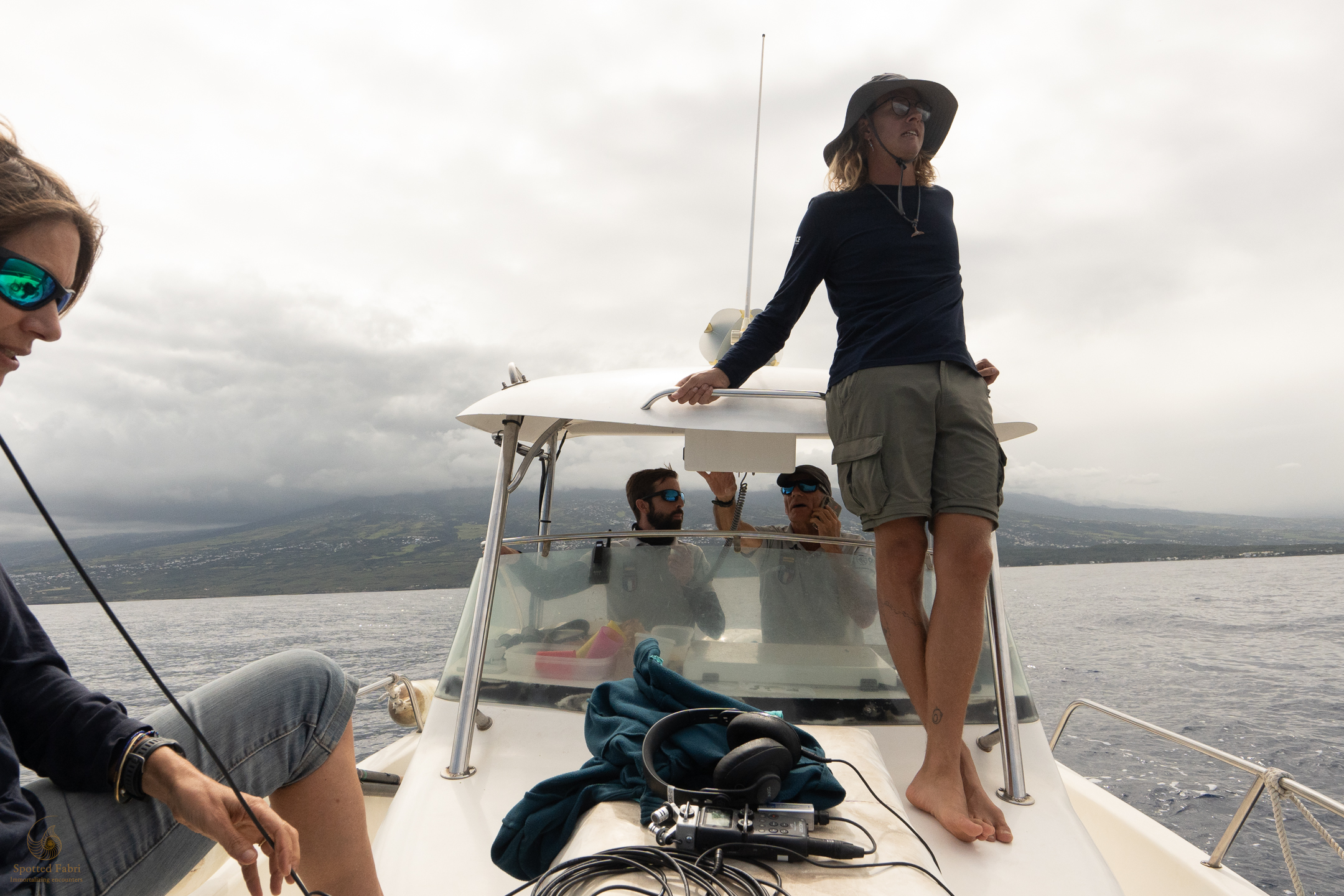
A typical bioacoustic research day often begins quietly.
Calm seas. Gear laid out on deck. Conversations low.
Scientists prepare hydrophones — underwater microphones sensitive enough to detect faint sounds across long distances. Some are lowered from boats, others moored for months at a time, listening continuously or intermittently.
Sometimes researchers wear oversized headphones and listen together — partly for science, partly for the joy of hearing whales in real time. Most recordings are stored for detailed analysis back on land.
Hydrophones have become one of the most powerful tools in modern marine science.
When the Ocean Starts Talking
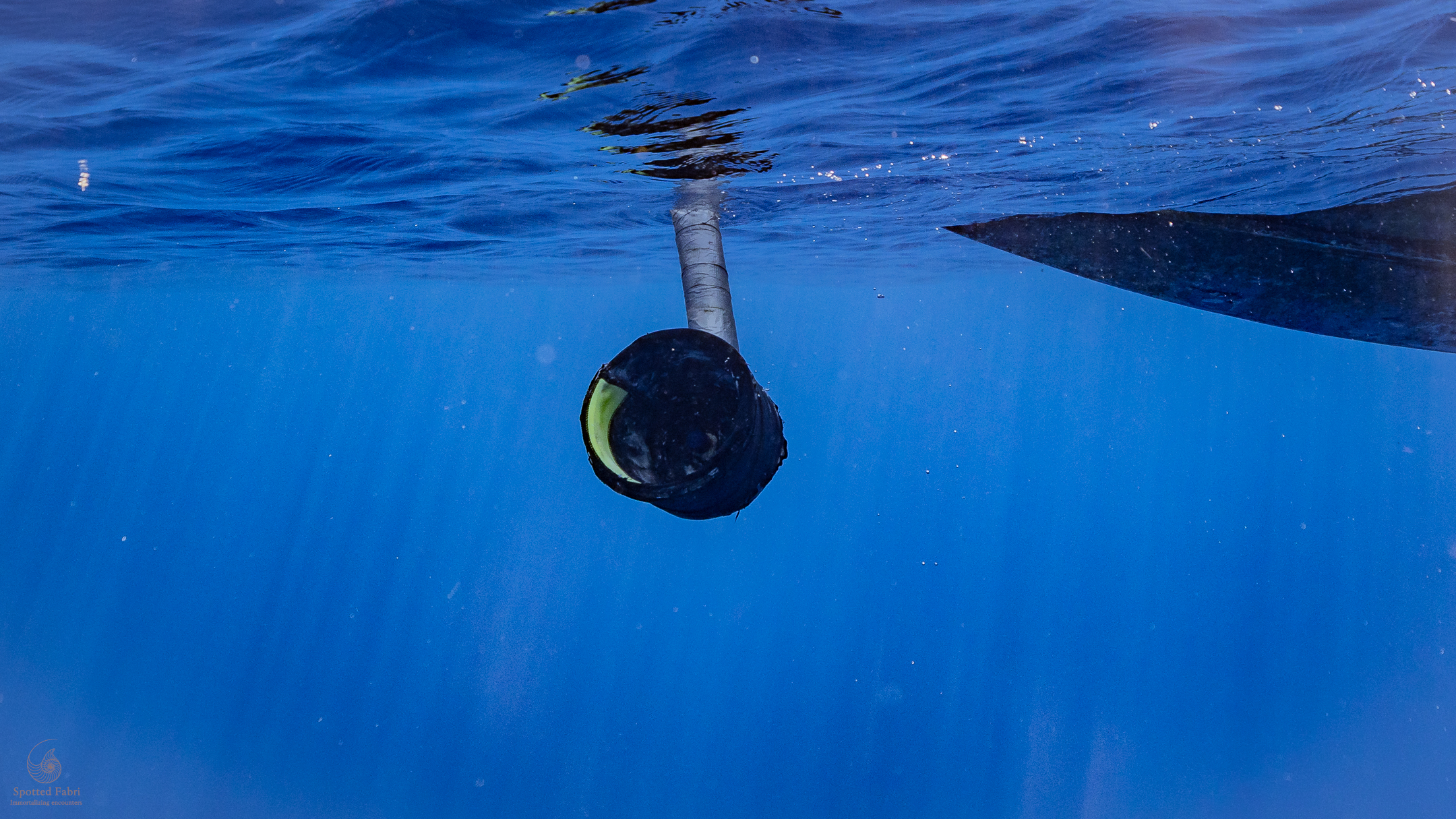
Once hydrophones are in the water, the soundscape comes alive.
Clicks — short, sharp bursts used by toothed whales for echolocation and hunting.
Whistles — melodic sounds used mainly for social communication.
Buzzes and burst-pulses — sounds linked to social interaction and foraging.
Low-frequency pulses and moans — deep sounds used by large baleen whales to communicate across distance.
Together, these sounds form a complex acoustic language scientists are still learning to interpret.
Listening While Watching
Bioacoustics doesn’t happen in isolation.
From the deck of a research vessel, scientists pair sound recordings with visual observations — a dive, a tail slap, a group forming or splitting.
Because sound travels far more efficiently in water than in air, whale calls can travel tens — sometimes hundreds — of kilometres, connecting individuals across vast stretches of ocean.
Every Species Has a Voice
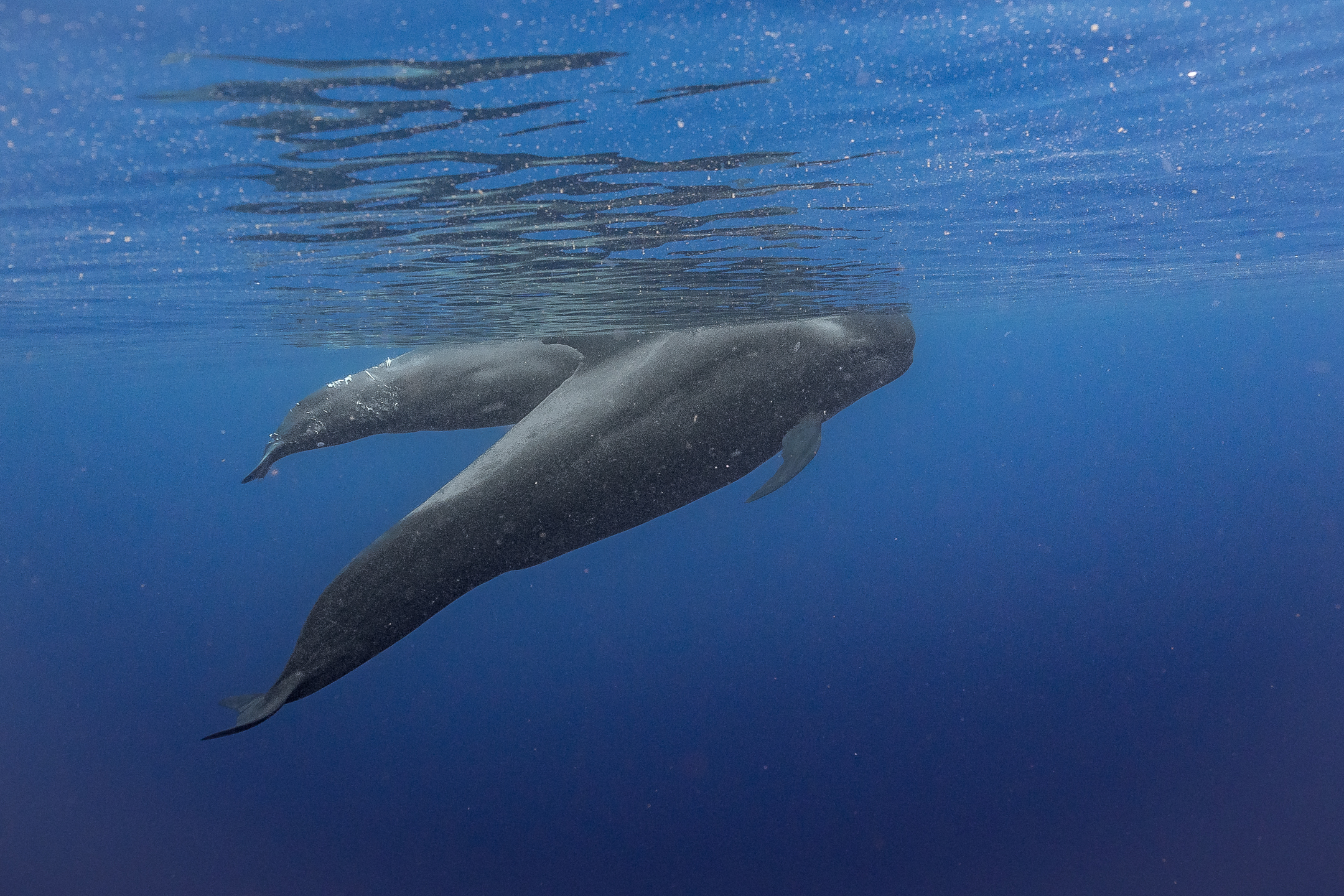
Each species has its own vocal repertoire.
Humpback whales sing evolving songs passed between populations — a powerful example of animal culture.
Listen: underwater humpbacks recorded in Reunion Island
Sounds include clicks, buzzes and low-frequency pulses used by cetaceans for communication, navigation and foraging.
Sperm whales produce powerful click sequences for deep-water foraging and social interaction, often organised into patterns known as codas.
Sperm whale clicks and ambient ocean noise recorded during bioacoustic fieldwork. Sound is how whales communicate, navigate, and sense their world.
Dolphins use clicks alongside unique signature whistles, allowing individuals to recognise one another.
A Noisier Ocean
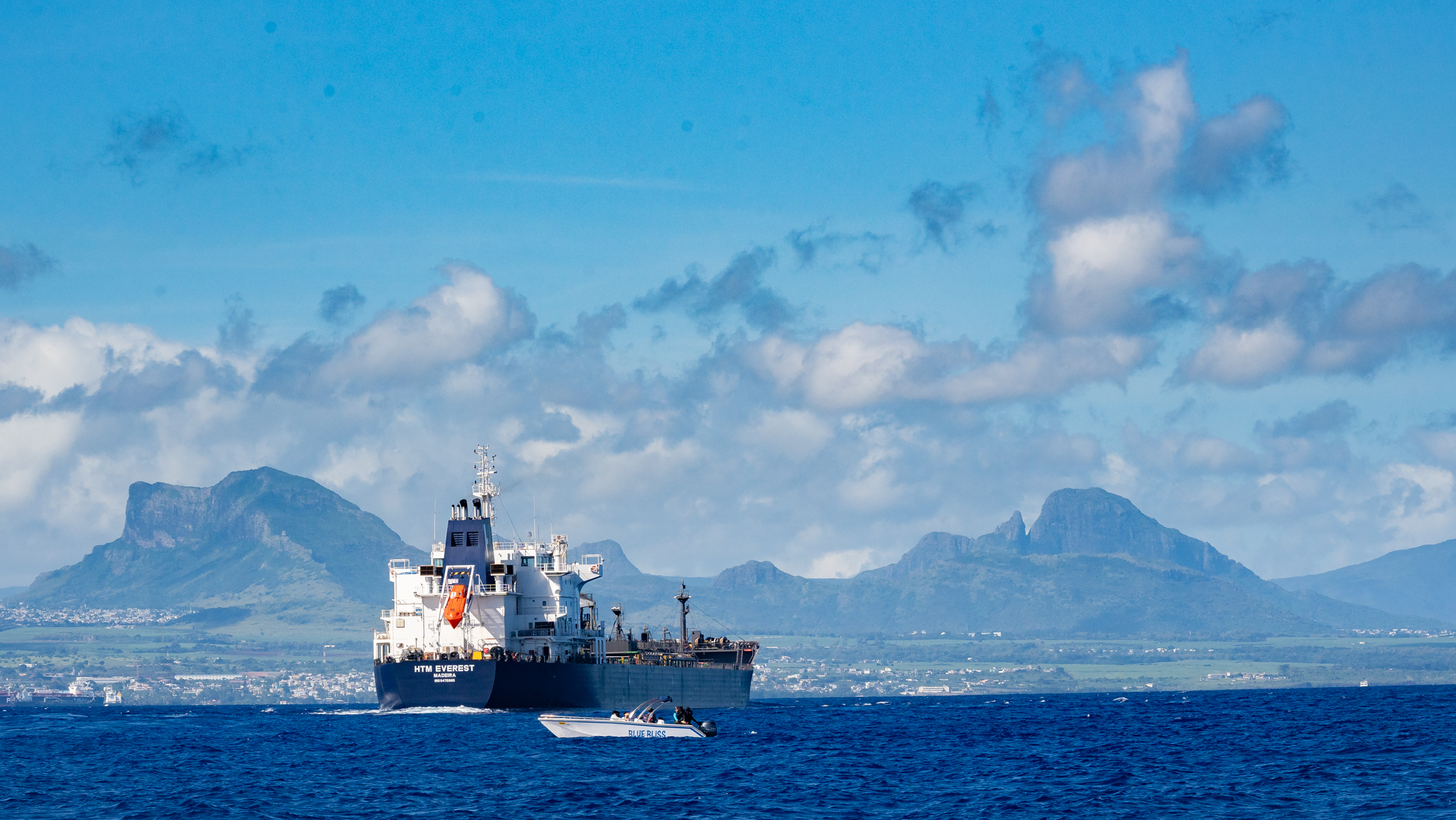
Shipping, recreational boats, engines, seismic surveys, coastal construction, and sonar systems have dramatically increased underwater noise levels.
Much of this human-generated sound overlaps with the frequencies whales rely on, reducing communication range and forcing behavioural changes.
When Sound Changes Behaviour
- Change diving or swimming behaviour
- Modify calling patterns
- Reduce social interactions
- Avoid important habitats
In extreme cases, intense sound exposure has been linked to behavioural disruption and, in some contexts, strandings.
Turning Sound Into Science
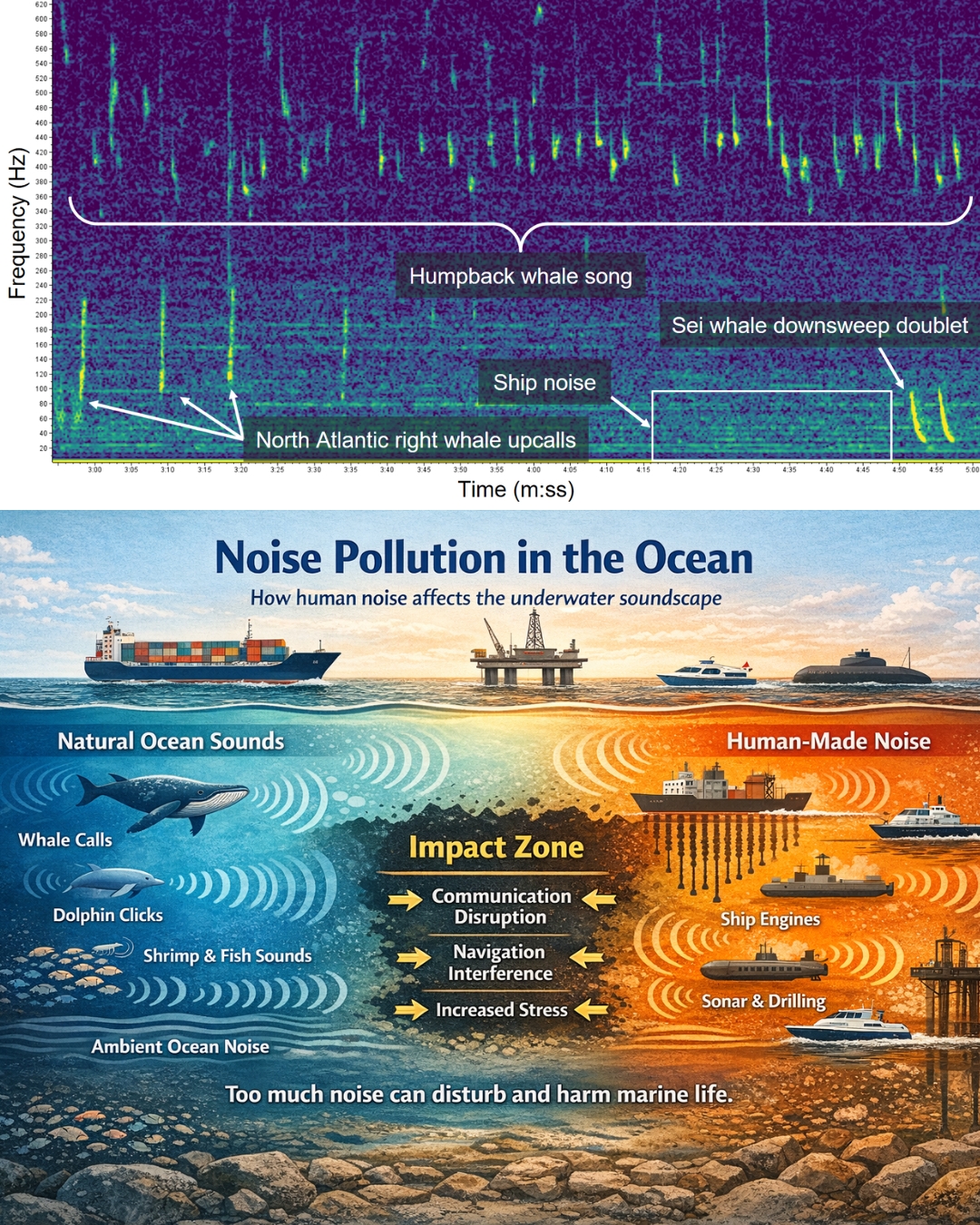
Recordings are analysed using spectrograms, helping researchers identify species, detect behaviour, track seasonal presence, and map migration corridors.
This method, known as passive acoustic monitoring, is central to modern marine research.
Why Listening Matters
Light fades quickly underwater. Sound does not.
Sound travels roughly five times faster in water than in air.
As human noise reshapes the ocean soundscape, we are changing the environment whales evolved to depend on.
Listening to Protect
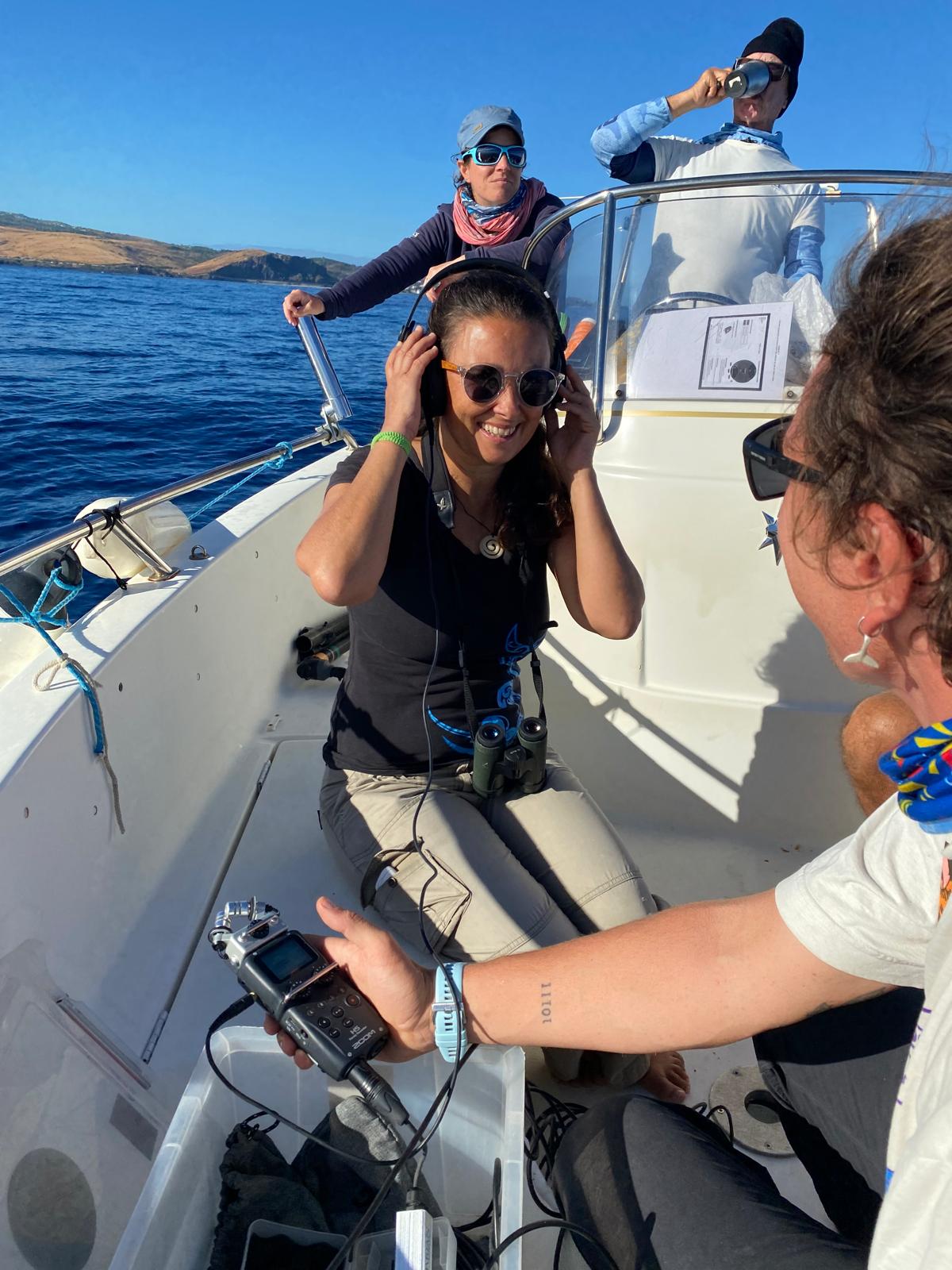
By listening, we learn where whales travel, how they connect, and how our presence shapes their world.
Protecting whales means protecting their soundscape.
Sometimes conservation doesn’t start with action.
It starts with listening.
May the ocean be with you 🌊


