

Sound is the primary way whales experience the world.
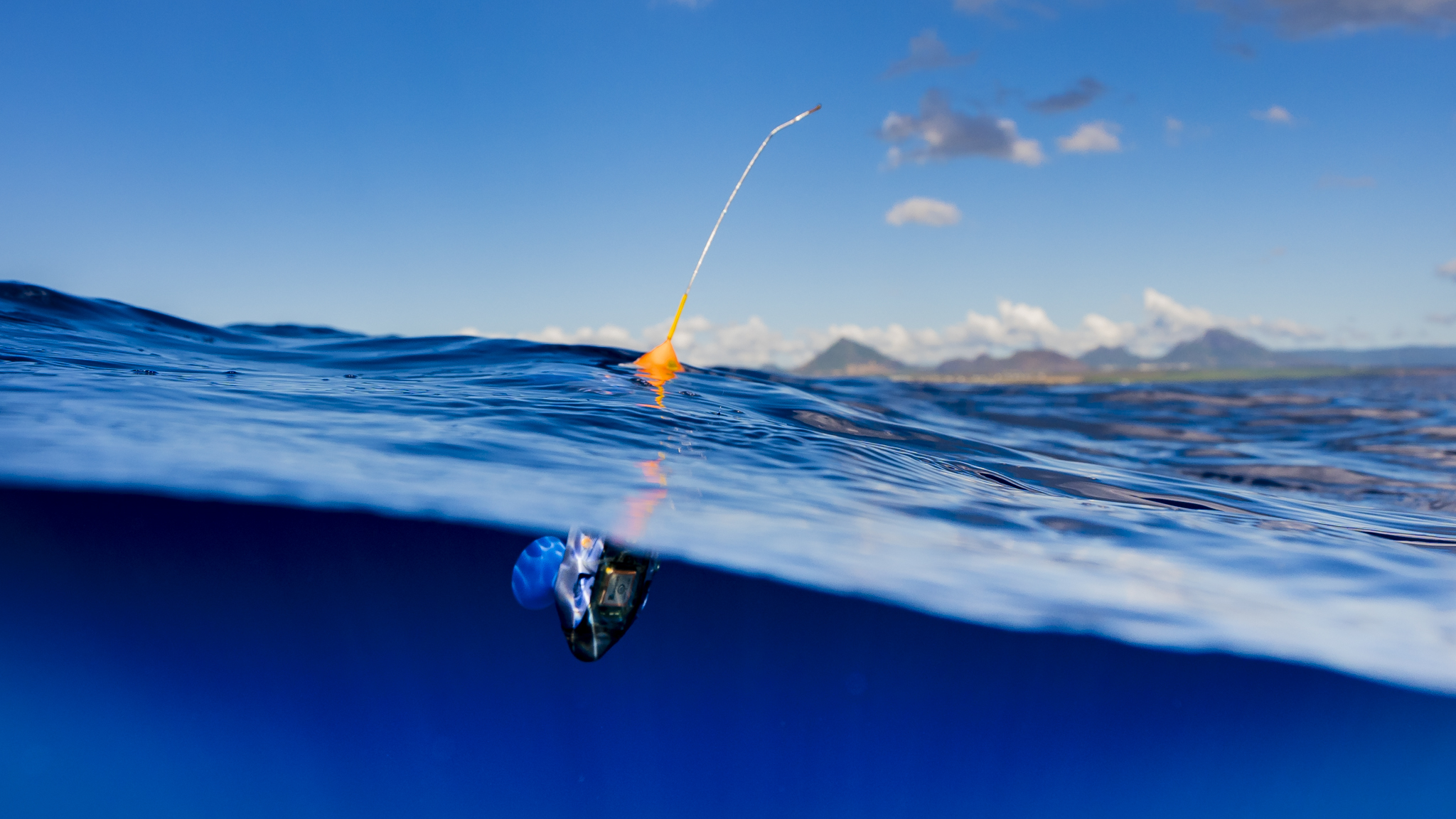
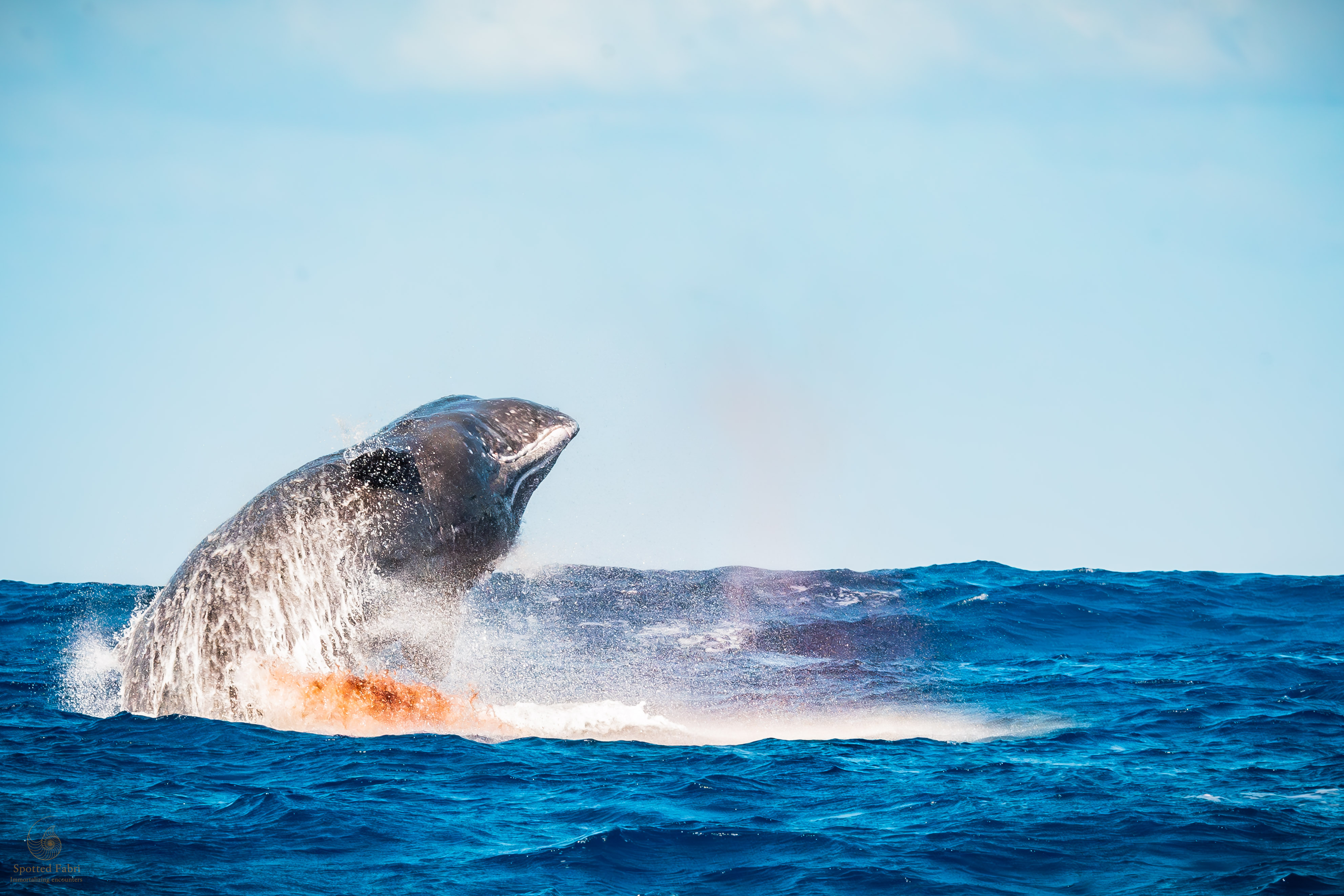
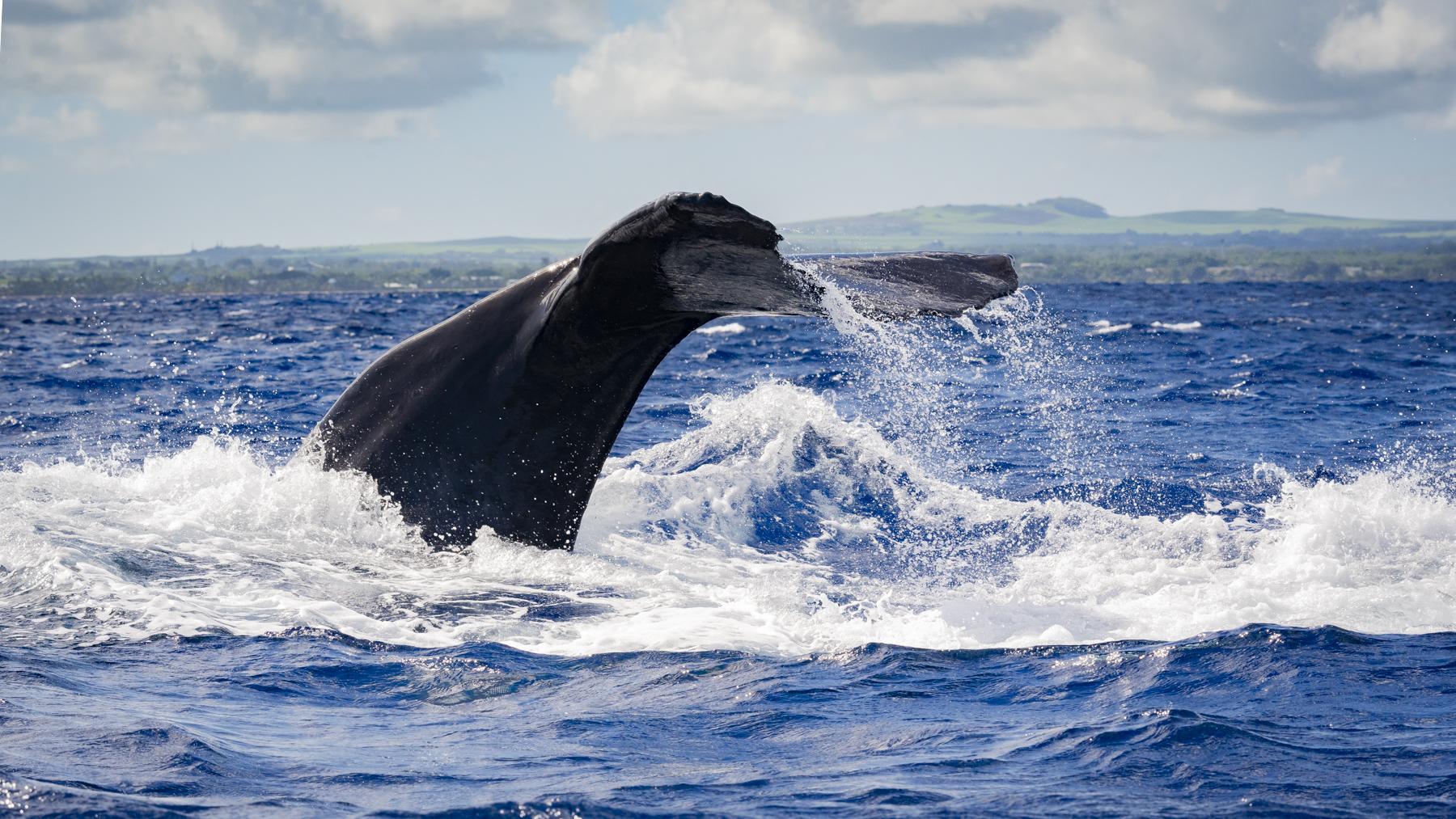
During bioacoustic fieldwork in Mauritius, I worked alongside scientists and local partners to listen to sperm whales through hydrophones — capturing clicks, buzzes, and low-frequency pulses that guide communication, foraging, and social bonds.
This resident population, one of the few remaining in the world, lives under increasing pressure from vessel traffic and underwater noise. Bioacoustics offers a way to understand impact beyond what the eye can see — revealing when human presence becomes disturbance.
This article shares field observations, recorded soundscapes, and reflections from listening beneath the surface — where protection begins with attention.

.jpg)

-2.jpg)